We accept
Medicare Advantage plans to fit your dental needs.
Medicare Advantage plans to fit your dental needs.

Tooth extractions are among the most common procedures dentists perform. They're also among the most dreaded since they involve many very sharp instruments and very noisy tools. Unfamiliarity with the procedure doesn't help, so it's not surprising that many people have a phobia about the dentist's chair. So much so that there's a name for it – odontophobia. Knowing what to expect during a tooth extraction including the tools used, the reasons you need an extraction, the procedures involved, and the healing time needed can alleviate much of your trepidation about tooth extraction.
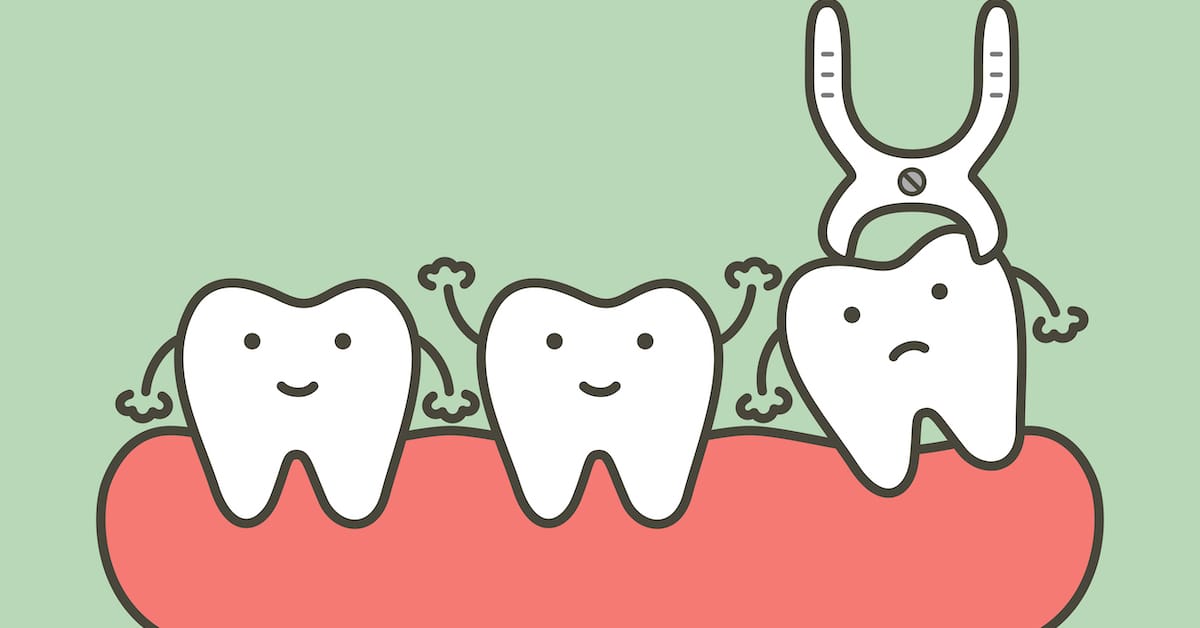
The definition of a tooth extraction is removing a tooth from its socket in the jawbone, and it's often needed when a tooth is cracked, broken, loosened, or decayed beyond repair. Anytime a tooth can't be saved, for whatever reason, it needs to be extracted so that decay or infection doesn't set in and it doesn't damage the tissues in your mouth. Inflammation or infection from your mouth can travel throughout the body very quickly and cause problems with all your major organs, so if you have a damaged tooth, get it repaired or removed without delay.
The first step in a tooth extraction is an x-ray. This will tell your dentist the best method for extraction and indicate any potential complications that may arise. Your dentist will ask questions about your medical history and they'll need to know all the medications that you take, both prescriptions and over-the-counter supplements. It's imperative that you're open with your dentist about your medical conditions and history because that can directly impact the outcome of your procedure.
To help prepare for your appointment, your dentist will need to know specifics about any of the following that you may have currently or in the past:
There are two types of tooth extraction: simple and surgical. Both require a local anesthetic, but a surgical extraction may also require an intravenous anesthetic. A simple extraction involves removing a tooth from its socket in the jawbone and it's typically used for a visible tooth. When a tooth hasn't fully erupted or is impacted, then you'll need a surgical extraction and your dentist will make an incision in your gum so that the tooth can be removed. You shouldn't feel any pain during either procedure although you may feel some pressure. If you feel pinching or pain, immediately notify your dentist.
When your tooth extraction is complete, your dentist may use a few self-dissolving sutures and then pack the site with gauze and ask you to bite down firmly. You'll need to continue biting down until the bleeding has stopped, which may be three hours or longer. Change the gauze as needed, but maintain firm pressure on the tooth.
When you get home, you'll need to follow these aftercare guidelines:
Some degree of bleeding, swelling, and pain are normal after many dental procedures but notify your dentist without delay if you notice any of the following:
If you have any of these, you should immediately contact your dentist because they can indicate an infection or complication.
Wisdom teeth are the third and final set of molars to appear and they're behind the other teeth in the far back of both upper and lower jaws. Since they're the last set of teeth to appear, sometimes there's not enough room for them and they erupt crooked or cause the other teeth to become misaligned and need to be extracted. Sometimes, there's ample room for them and they erupt straight with no adverse effects on the surrounding teeth.
Dentists are divided on the subject of wisdom teeth extractions. Many dentists prefer to leave healthy teeth alone, since extraction always carries risks as well as benefits. Others, however, practice wisdom teeth extractions as a preventive measure to avoid future complications. Since it's not possible to accurately predict whether the wisdom teeth will be problematic, the topic has validity on both sides. The American Dental Association recommends wisdom teeth extraction for the following reasons:
No matter your opinion on the matter of preemptive wisdom teeth extraction, it's important to understand the reasons for it, such as:
Overall, it’s important to find a Bloomington dentist who will listen to your concerns and help you make the right decision. If you're not happy with the first opinion you receive, then seek another opinion. However, don't ignore your dental issues or your wisdom teeth because you need more information. Learn the facts from an affordable and caring dentist in Bloomington so that you have the best solution for your unique needs.