We accept
Medicare Advantage plans to fit your dental needs.
Medicare Advantage plans to fit your dental needs.

Learn more about this misunderstood procedure, so you'll feel more comfortable if your dentist recommends a root canal. Many people believe the treatment is painful, but it isn't. In fact, root canals relieve pain, which can be severe. There's nothing to fear; a dentist wouldn't suggest one if he or she had a better option for saving the tooth. Dentists don't want to just pull teeth out of your mouth as a having a missing tooth is not ideal for your dental health.
If you have a tooth with a deep cavity, a fracture in it, or with a failed filling, bacteria can reach the pulp inside of the tooth. The bacteria will create an infection in the pulp, causing significant pain and other problems. The infection can do significant damage to the surrounding teeth and even travel throughout the body. A root canal treatment removes the pulp, and with it, the infection. It will save the tooth, since the only other way a dentist has to remove pulp is to extract the whole tooth.
Your dentist and his or her staff will be happy to answer any questions you have, including:
Only a dentist can tell you if you need a root canal, but the typical symptoms of a tooth with infected pulp include:
Find an affordable dentist and schedule an exam if you have any of these symptoms.
If an exam and x-rays show you need root canal therapy, you can expect the procedure to have the following steps:
The dentist will numb your tooth with an injection of a local anesthetic. The tooth may take a long time to become numb if it's severely infected. Your dentist won't start the procedure until you're numb.
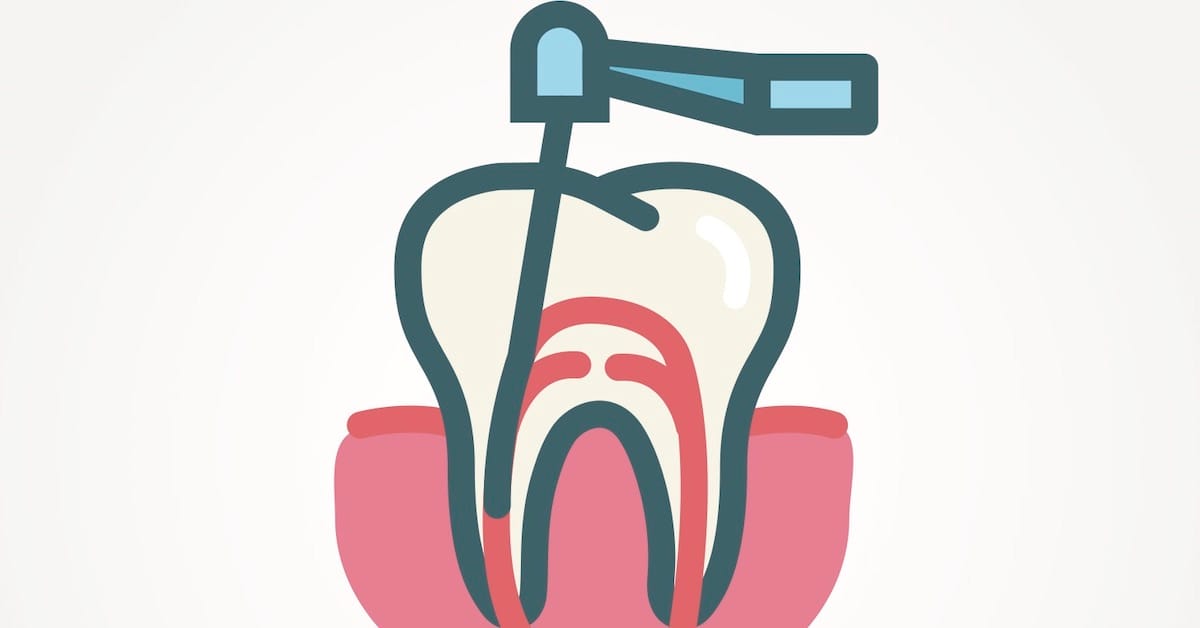
After isolating the tooth with a dental dam, your dentist will have to drill a hole in your tooth so he or she can access the pulp. Dentists use small files to remove the pulp, flushing the canals out throughout the procedure. Once the pulp is out, your dentist will shape the canals and disinfect them.
Once the pulp canals are clean and dry, your dentist will fill them with gutta-percha, a rubbery material. The hole drilled to reach the pulp is closed with a temporary filling.
Your dentist may take an impression of the tooth to have a custom crown made for you. It can take several weeks for the crown to be ready, so you'll need a second appointment.
Most root canal procedures take 30 to 90 minutes. The more roots a tooth has, the longer treatment will take.
As the local anesthesia wears off, you may notice some sensitivity in the area. This will go away in two or three days. In the meantime, you can take an over-the-counter pain killer. If you experience intense pain, you should call your dentist, as this isn't normal.
Your healing should be smooth if you follow these tips:
After the root canal procedure, your tooth will be weaker than it was before. A crown is almost always necessary to restore the tooth's strength and integrity. Your affordable dentist can help you by fabricating a crown that blends in well with your other teeth. No one will realize you have a crown completely covering your natural tooth.